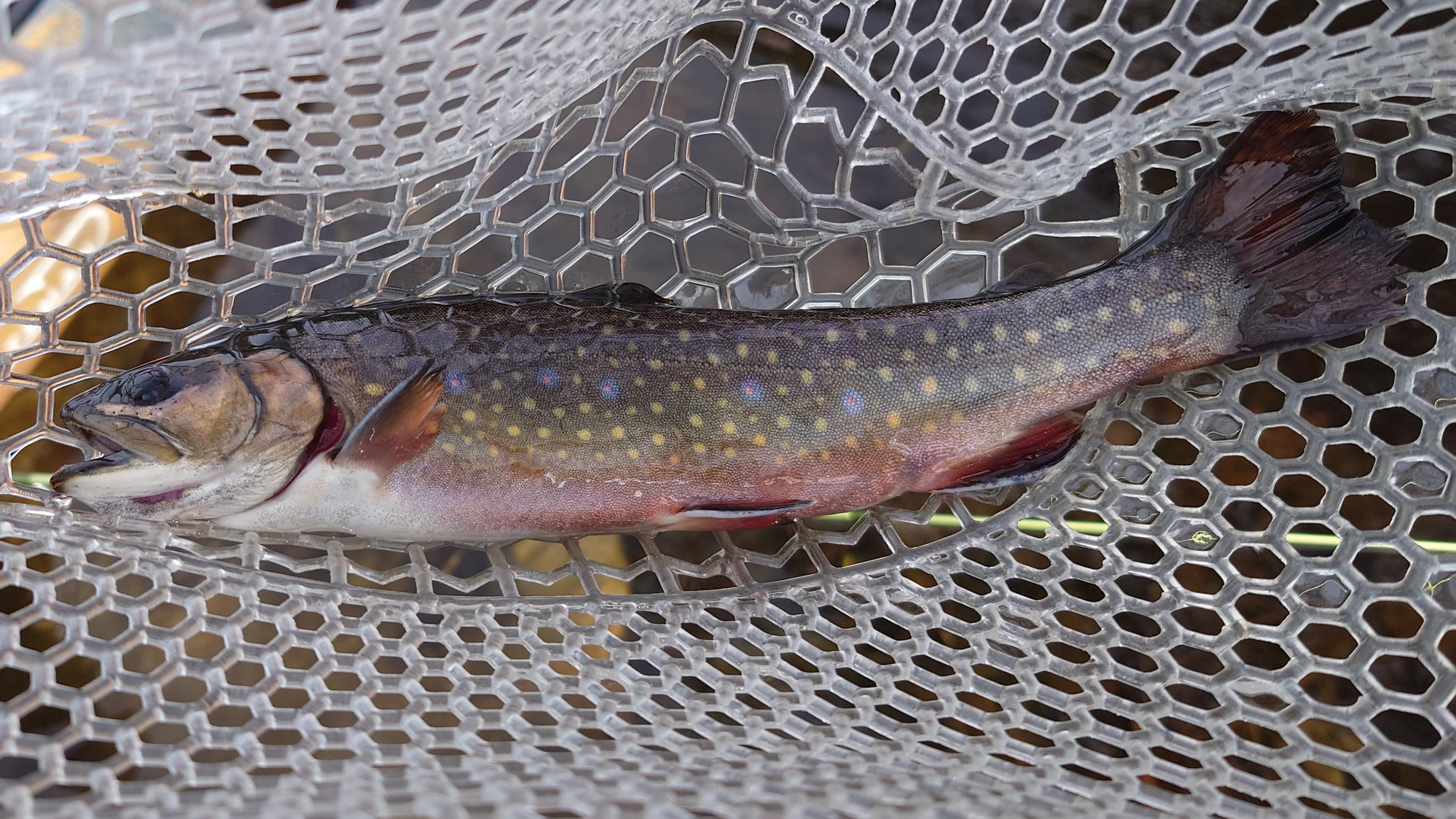
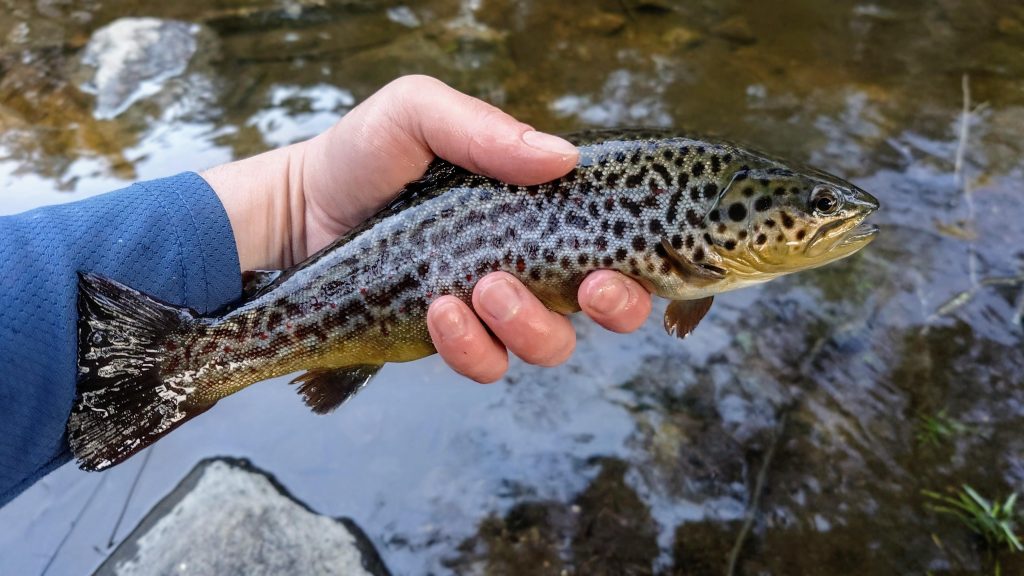
Spring is upon us! This means that trout season is in full swing for most of us. My home state of New Hampshire stocks over 1 million of trout for fishermen to catch, and that’s only a small fraction of the tens of millions stocked across the country. Want to catch some for yourself? Here’s everything you need to know!
Checking Local Regulations
Before doing anything, it’s always a good idea of check the regulations of the waters you plan to fish. Some trout waters have certain restrictions, like using single+barbless hooks only, fly fishing only, and catch & release only. Sometimes the opening date for water is different too. Before making this guide, I wanted to try and fish a trout pond nearby that had just been stocked, until I realized that trout ponds in NH are stocked before you’re allowed to fish in them. The statewide opening date is the last Saturday in April. Trout fishing regulations can vary by state and town, so be sure to check your local regulations.

Watching Stocking Reports
Each state keeps track of where and when trout are stocked, and are usually released through a weekly stocking report. Be sure to stay on top of every update, because most stocked trout won’t last more than a few weeks after they are stocked.
Gearing Up
Whether you’re a seasoned expert, or targeting trout for the first time, having the right gear can make or break your fishing trip. This article includes everything that you need based on what I personally use on the water.
As an Amazon affiliate, I may earn from qualifying purchases.
Fishing License
The first step to any fishing journey. Fishing licenses are required to fish just about anywhere, and they serve to fund conservation efforts as well as stocking the very trout that we’re trying to catch.
Already have a fishing license? Make sure that it covers trout fishing too. If you’re fishing in Arkansas, Connecticut, Georgia, Missouri, New Jersey, North Carolina, Pennsylvania, Tennessee, Virginia, or West Virginia, an additional trout permit may be required.
Rod and Reel
When we say “trout fishing”, most of us aren’t talking about landing massive steelhead. Most stocked trout are only 9 to 12 inches long. For targeting these fish, I highly recommend an ultralight fishing setup. You can always use a Light, Medium Light, or even a Medium power rod in a pinch, but the sensitivity you get with an ultralight rod will give you the best experience.
Ultralight Rod
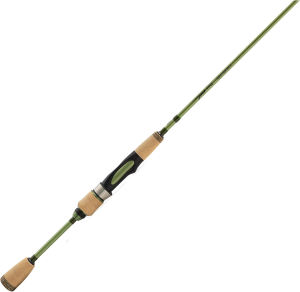
My favorite ultralight rod to recommend is a 5′ Shakespeare Micro Series rod. It’s a fairly fragile rod, but for roughly $20, you can’t beat the value. If it’s out of stock, the 5’6 Light version is a good alternative.
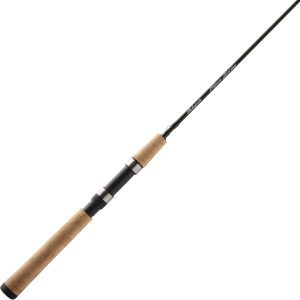
While more expensive, my daily driver ultralight rod is a 6′ TFO Trout Panfish II. I use this rod more than any other, and would replace it in a heartbeat if I needed to. I LOVE this thing!
Ultralight Reel
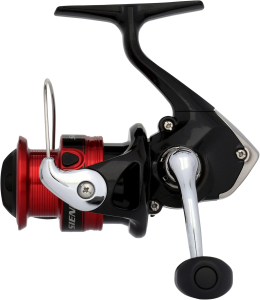
I used to think you had to spend at least $60-70 to get a decent quality reel, but I tried a new budget option recently that blew me away: the Shimano Sienna (Size 1000). It’s a little on the heavy side, but it reels in buttery smooth, even after dropping the reel in the water. The 1000 size pairs perfectly with ultralight rods.
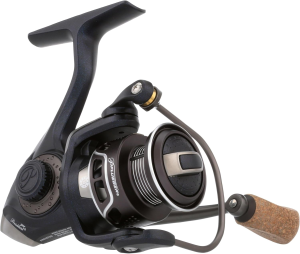
Another ultralight Reel I’ve used in the past is the Pflueger President XT (size 25). I am a big fan of Pflueger’s reels, though I haven’t used my recently because it seized up after being accidentally submerged in water for a while. The fix is simply to re-grease the reel, but I haven’t gotten around it doing it.
Fishing Line
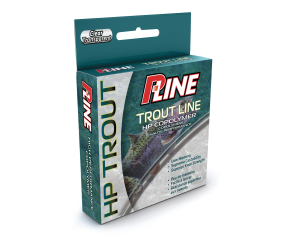
Trout are very weary fish, and if anything looks slightly off, they won’t bite. That’s why you should avoid using braided line unless you plan on using a transparent leader line. Beginners should use either a clear monofilament or fluorocarbon line. Mono is stretchy but cuts more easily, whereas fluoro is more stiff and abrasion resistant. I like to fish copolymer line, which lies somewhere in-between the two. 6lb test is a perfect all-around strength for ultralight fishing. I currently fish a 6lb HP Trout line from P-Line on all of my ultralight rods. 6lb Fluoroclear from P-Line may be a good alternative if you want to buy off Amazon.
Landing Net
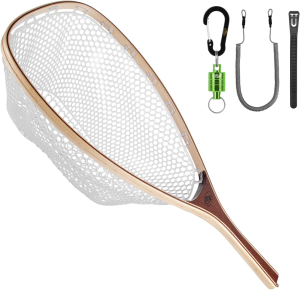
To me, a landing net is essential for trout fishing. Yes, despite being able to drop them from literal planes and helicopters, these fish are very fragile. The net isn’t primarily for landing the fish though. Compared to other species, they don’t last nearly as long out of the water. It’s good to have a net so that you can keep the trout in the water for as long as possible. It’s perfect for when you’re fumbling to get your pliers, or getting your phone ready for a picture. If you do get a net, make sure that it’s a rubber mesh net. Trout have a “protective slime layer” on them that keeps them safe from parasites and disease, and a traditional nylon net can cut through that. I have an SF Fly Fishing Net that I use whenever I am targeting trout, and it has never failed me!
Fishing Pliers
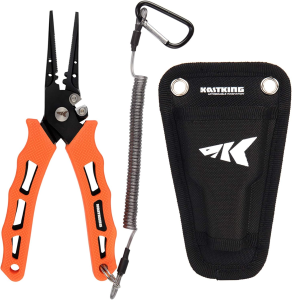
When practicing catch & release, it’s import to always have a pair of pliers or forceps on hand, especially when using a barbed hook. I got mine at bass pro shops, but this KastKing pair is functionally identical.
Bait / Lures
I rarely use live bait, but earthworms are one of the best trout baits out there.Trout rarely bite off more than they can chew, though, so make sure that if you do use worms, to keep your bait size small. If your only option is a fat nightcrawler, then try cutting it into smaller pieces to use on a small aberdeen hook.
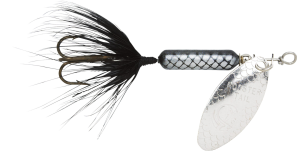
As for lures, there is one that trout will go for above all others, and that’s the inline spinner. Whether it be a rooster tail, panther martin, or even one you make yourself, trout go crazy for inline spinners! They are ideal for shallow water, especially small streams. 1/16 oz is my go-to size, but I’ve caught plenty of trout off of 1/8 oz and 1/32 oz sizes as well.
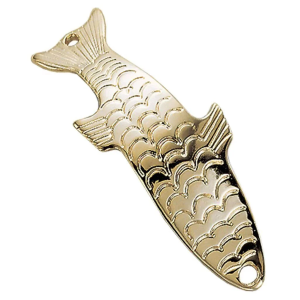
Another lure I have used to catch trout is the Acme Phoebe. It’s a small fish-shaped spoon lure that creates a lot of flash to grab a fish’s attention. They work especially well in ponds and lakes, as I learned fishing one this year.
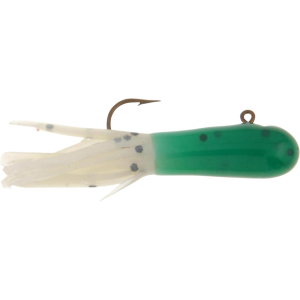
There’s one more lure that I wouldn’t go without when trout fishing: the micro jig. The most well known of these lures for trout fishing is the Trout Magnet. I personally haven’t caught a trout off this lure before, but I know many people who have. I’ve also caught trout off of a very similar lure, the Berkeley Atomic Tube.
Reading the Fishing Spot
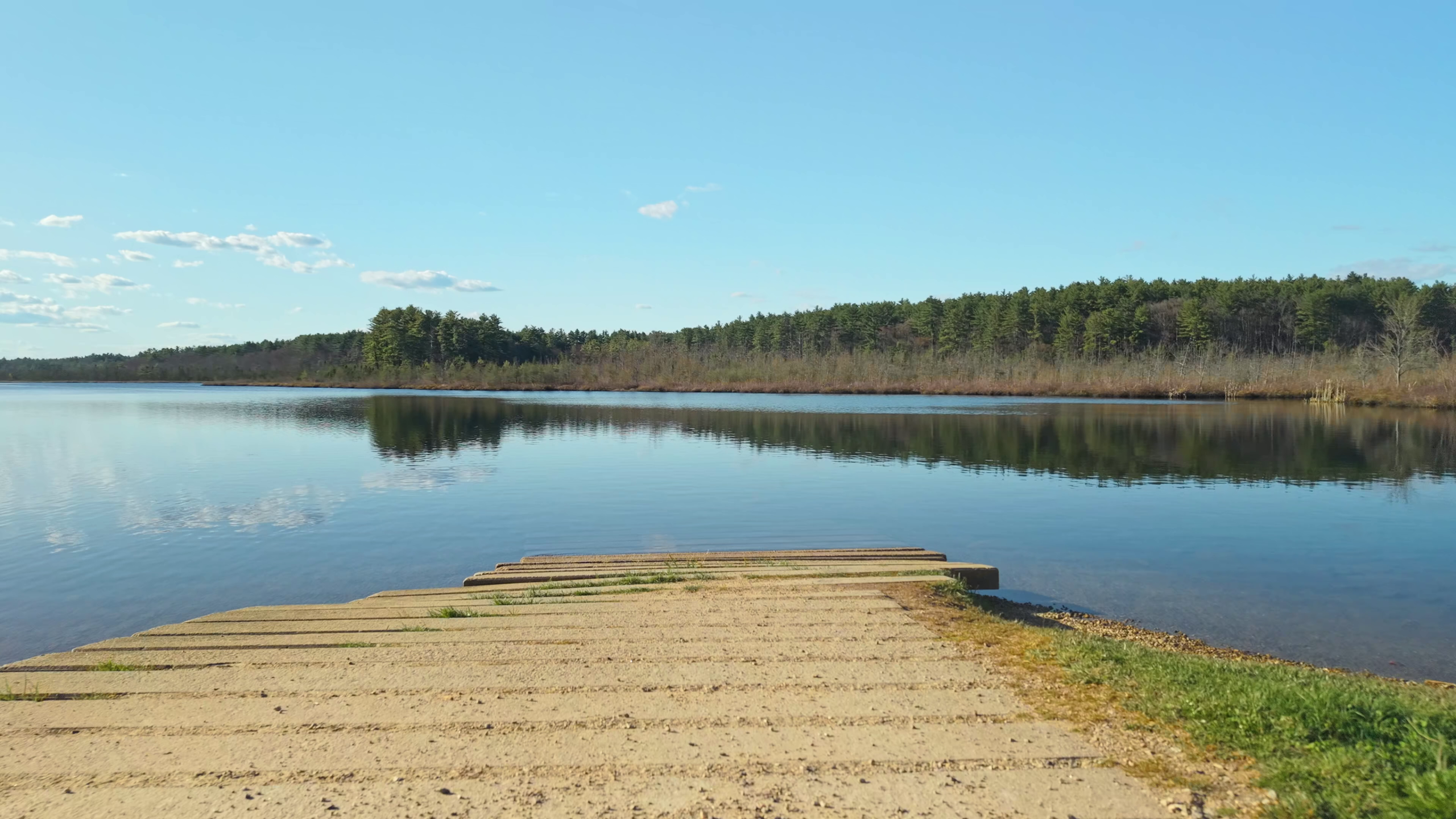
When I arrive at a new trout spot, I always try to find where the fish were loaded into the water. On most ponds, this is fairly straightforward, since it’s almost always near a boat launch or open beach. Rivers and streams can bet a bit tougher, but most of the time it is close to the road. These fish are either pumped directly from the truck, or carried to the water by net, which is often done for smaller stockings around bridges.
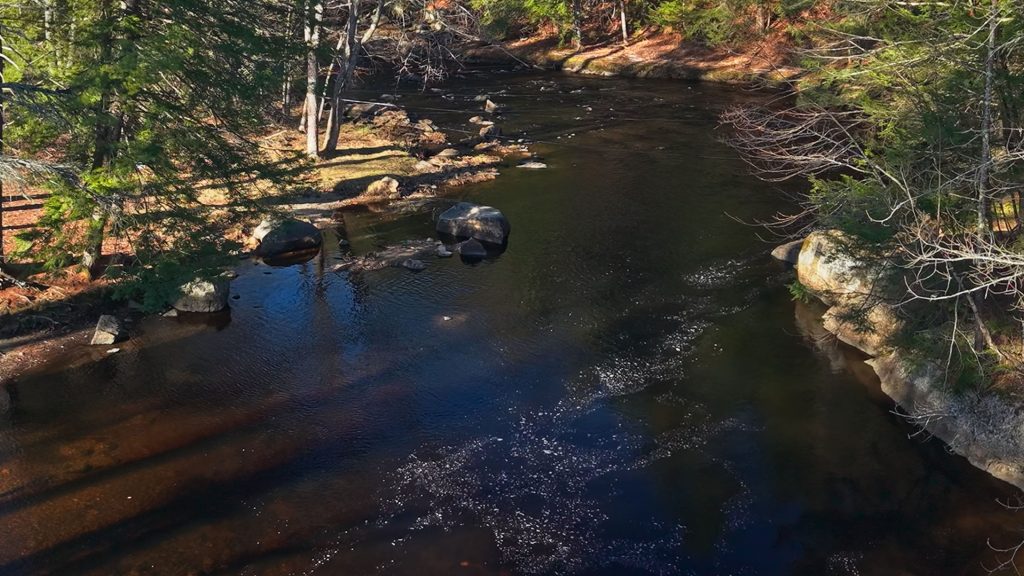
Streams are also trickier because the fish often travel upstream or downstream depending on conditions. Naturally most trout will travel downstream with the current, especially if it’s fast moving water, but I have occasionally caught trout upstream from the stocking location before as well.
There are a bunch of fancy terms to describe a river: riffles, eddies, seams, undercuts, rapids, you name it! You don’t need to know any of that as long as you know this: most trout hang out where the fast water meets the slow water. Fast water carries lots of insects and other food sources, but trout won’t stay in that water for long because it takes a lot of energy to fight the current. Instead, they stick around right where the current slows down, so they can keep watch flowing downstream without doing much work.
It’s usually pretty easy to see where the water slows down, but here are a few places to check: behind large rocks/boulders, deep pools, insides of river bends, and the base of a dam, weir, or natural waterfall.
When to Change Spots
I’m constantly on the move when trout fishing. If I’m fishing a stream, I usually won’t spend more than ten minutes at the same spot unless I’m getting some good action. Freshly stocked trout are much less weary and you can catch multiple in the same spot quite easily. The trout that stick around for weeks or even months after stocking become much smarter, and even if they bite a few times, they usually catch on and hunker down pretty quickly, refusing to bite anything. It’s rare that I catch more than two trout in situations like this. Come back to the spot in 30 minutes or so, and you might have another chance at them.
How to Handle Trout
If you plan on practicing catch-and-release, there are a few things you should remember when handling the fish:
- Wet your hands first. That protective slime layer the trout has can rub right off if you have dry hands. It’s best to dip your hands in the water first.
- Avoid touching the gills. The gills of trout are very fragile, so if you plan on releasing the fish, try to avoid touching them when possible.
- Keep the trout in the water as long as possible. This ensures a strong release for the fish.
- If you have a landing net, use it! Landing nets are a perfect way to keep the trout in the water while you get your pliers or camera ready.
- If you don’t have a landing net, keep the fish hooked on the line until you are ready. I catch a surprisingly large number of trout by chance when I don’t expect them to be biting. In these cases, I always keep the fish hooked and in the water while I get my pliers and phone ready to snap a photo.
Don’t worry if your catch goes “belly up” upon release. This often happens if the fish is out of the water for a minute or longer. Most of the time the fish just needs to get its bearings and recover and breathe for a bit before it swims upright again.